By Ezra A. Cohen on Telegram
The strikes on Tehran are only one front.
The real war is financial.
While missiles hit nuclear targets, the U.S. Treasury moved against the shadow banking system that allegedly allowed Iran to move billions through Europe for years.
THE SHADOW PIPELINE
Iran’s Central Bank reportedly operated through:
• Front companies in Turkey and the UAE
• A shadow oil fleet
• Crypto channels bypassing SWIFT
On February 27, 2026, OFAC blacklisted two UK-based crypto exchanges accused of processing over $1 billion tied to IRGC-linked activity.
Reports also indicate Iran held over $500 million in USDT reserves – digital liquidity now targeted and restricted.
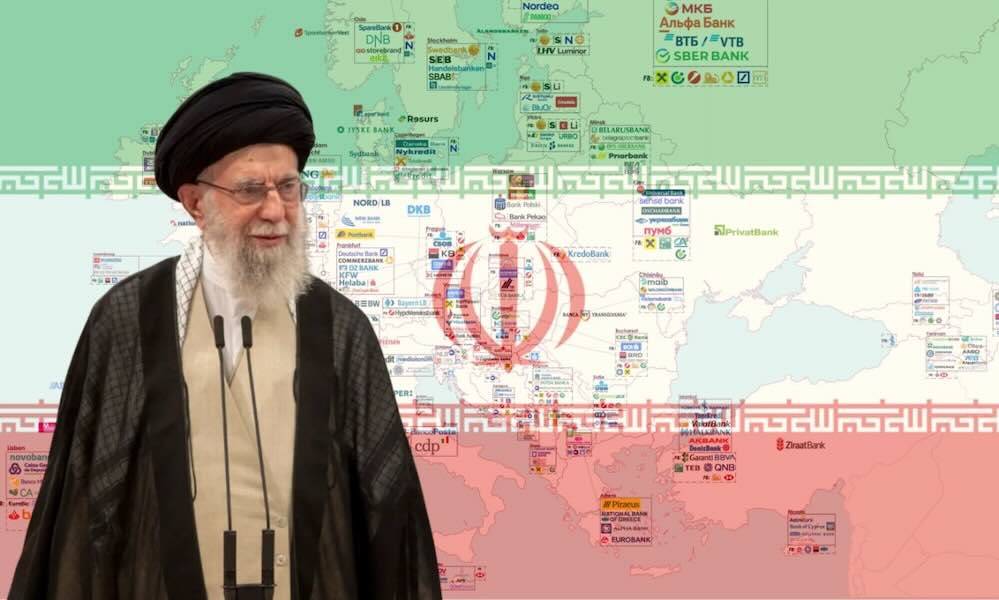
THE EUROPEAN CONNECTION
Swiss bank MBaer was cut off from U.S. access over suspected oil-linked transactions.
Investigations also exposed a €400 million luxury property portfolio across Spain, Austria, and Germany linked to Iranian-connected financial structures.
For years, these assets remained largely untouched.
That shield is now cracking.
THE 25% SANCTIONS HAMMER
A new secondary sanctions policy imposes a 25% tariff on any country continuing trade facilitation with Iran.
The choice is clear:
Access to U.S. markets – or financial ties to Tehran.
THE BIG MOVE
As strikes began, U.S. authorities initiated coordinated freezes targeting up to $100 billion in offshore Iranian-linked reserves.
Military pressure above ground.
Financial suffocation beneath it.
This isn’t just escalation.
It’s an attempt to dismantle the system that kept the regime financially alive.