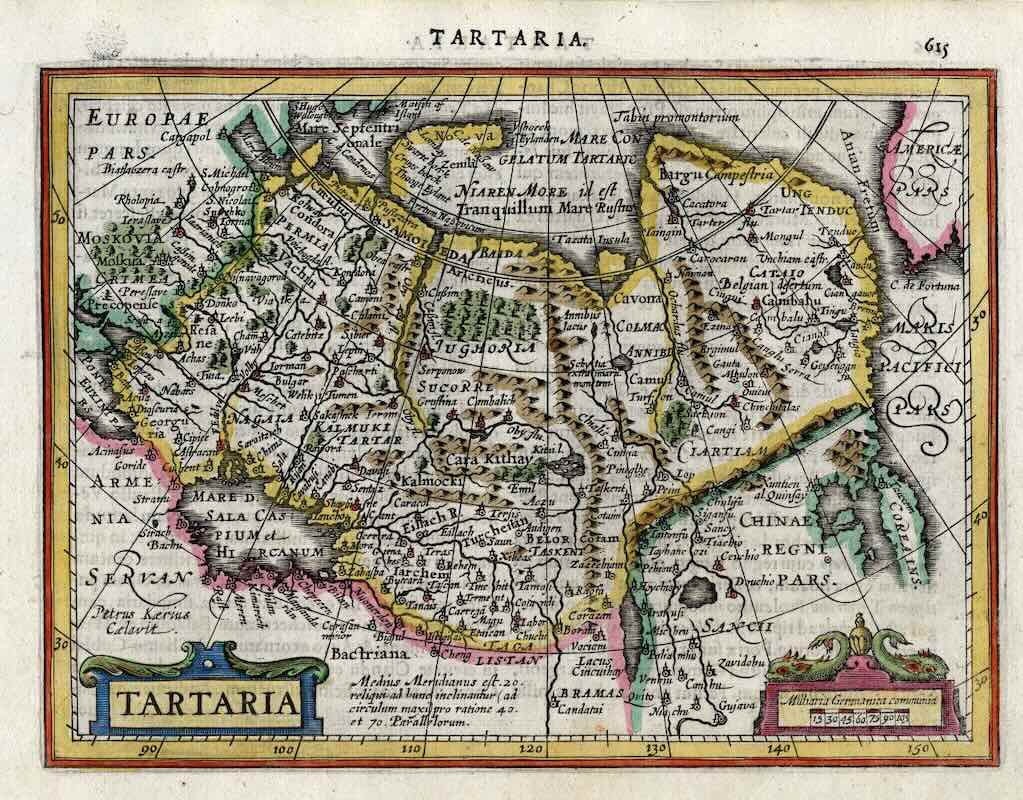
When historians describe the rise of modern banking, they usually focus on the Medici of Florence, the merchant houses of Amsterdam, and the emergence of central banks in the 18th century. But the real story, the one that barely appears in financial textbooks, the one that even today sits buried in monastery archives and sealed family vaults, began with something far older.
It started with a system that shouldn’t have existed.
In 1743, a young man named Mayer Amschel Rothschild was born in Frankfurt, Germany. By the time of his death in 1812, his family controlled the largest banking network in Europe.
The official story is that he built this empire from nothing. A poor Jewish merchant who became a financial genius.
But the documents tell a different story. Rothschild didn’t build a banking system. He took over one that already existed.