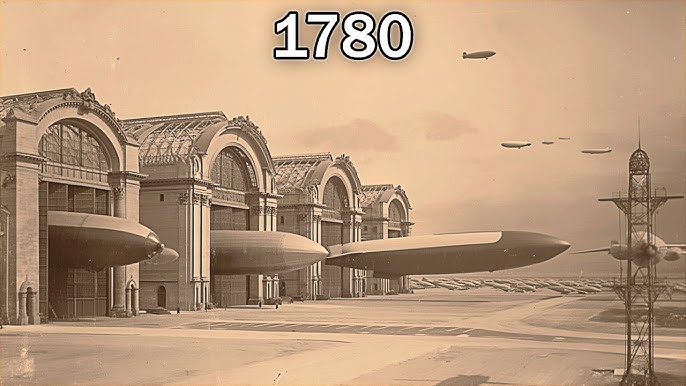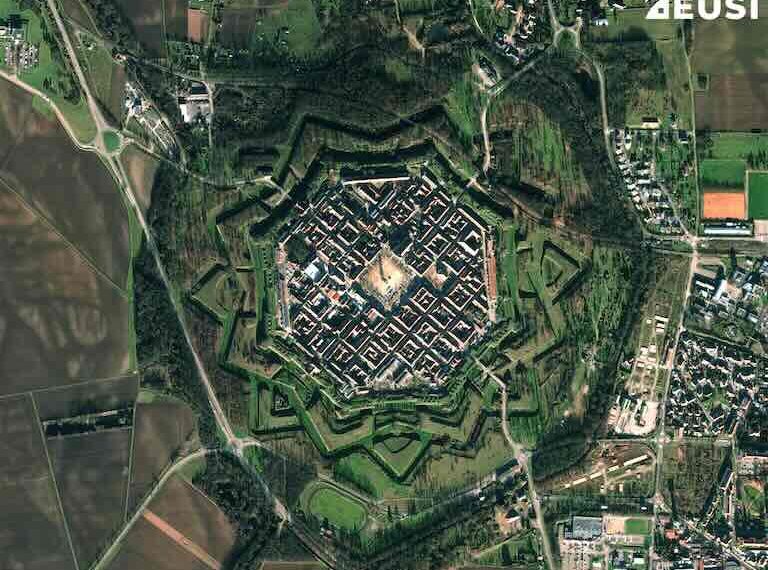
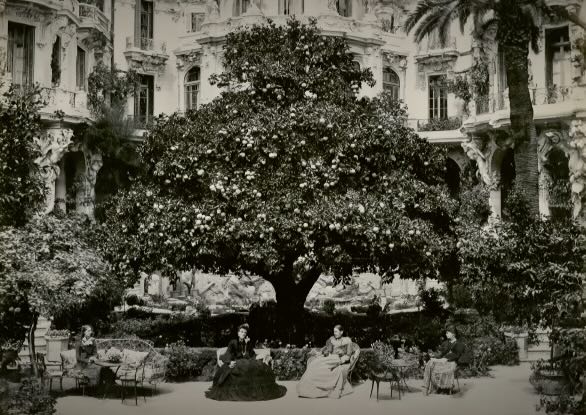
What explains how humanity abandoned a tradition of urban food production — city parks mathematically designed for yield, equipped with layered food forest systems tuned to the rhythms of seasonal abundance now being rediscovered in regenerative agriculture — and replaced it with a standardized, ornamental, commercially passive green infrastructure, without a single serious public reckoning about what that exchange actually cost us?
The standard explanation — that modern park design simply won out through aesthetic progress and institutional logic — collapses when you examine what the new parks actually replaced: not primitive or disorganized plantings, but systems apparently built around the relationship between urban populations, food sovereignty, and the designed landscape. Parks so deliberately productive that their species layering corresponded to principles now being validated in agroforestry science. Spaces engineered not to decorate the city, but to feed it.
As I investigated the municipal archive record — from undocumented removal orders in pre-1900 European cities to identical conversion patterns appearing simultaneously in South America, Asia, and Australia — a disturbing pattern materialized. These weren’t parallel coincidences across unconnected cultures. They were the same underlying erasure, executed within the same fifty-year window, across every continent where this older infrastructure had taken root. And the food trees came down with the knowledge. Cleared. Replaced with gravel and fountains. Gone — with gaps in the archive that cluster, with unsettling precision, around the exact decades the modern ornamental park system was being institutionalized.
Because here’s what the replacement also did. It didn’t just reorganize how cities managed green space. It may have severed something older. The relationship between the urban environment and food production — between designed landscape, community sustenance, and municipal self-sufficiency — that appears embedded in pre-industrial city planning across dozens of cultures was quietly superseded. Not debated. Not disproven. Just demolished. Made institutionally invisible. And the generations that had tended those systems died without passing the knowledge forward.
This investigation examines whether the park infrastructure we inherited was designed not to serve the nutritional or ecological needs of urban populations — but to replace a system that may have understood something about those needs we are only now beginning to recover. And whether something older, something that cannot be patented or commercially distributed, was deliberately lost in that replacement.
The material on this channel presents exploratory interpretations of history and imaginative speculation, conveyed through narrative storytelling rather than precise historical documentation. Viewpoints and visual representations are dramatized or intentionally constructed to support alternative narrative exploration. Visual elements may at times be created using automated or generative tools. The content shared should not be considered factual.